The Evolution of lso Weed: A Historical Perspective
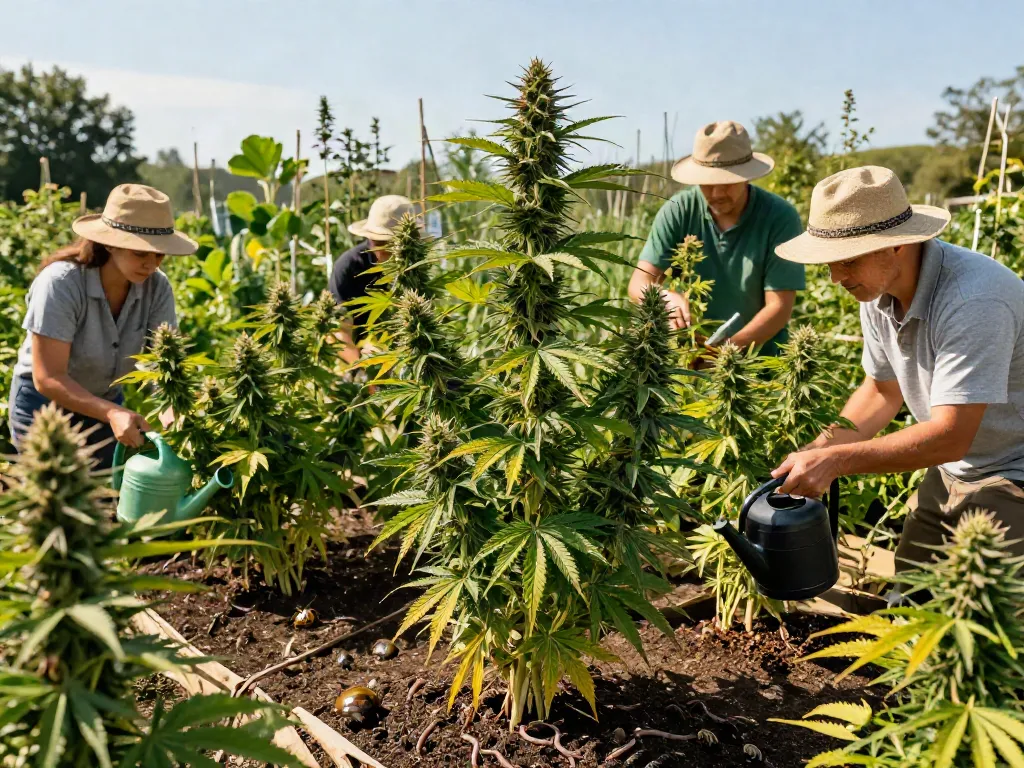
Understanding the journey of lso weed (Living Soil Organic weed) requires delving into its roots, tracing back to the dawn of sustainable agriculture. This cultivation method emphasizes the importance of nurturing biologically active soil, which fuels not just plant growth but an entire ecosystem. As consumers become more environmentally conscious, the appeal of organically grown cannabis, which is healthier for both the consumer and the planet, is surging. This shift is leading more growers to explore the possibilities of living soil, thus evolving the way cannabis is cultivated and perceived in today’s market.
What Does lso Mean for Weed?
LSO, or Living Soil Organic, refers to a unique cultivation method that relies on the natural interactions of soil organisms. In this system, the soil is home to a variety of beneficial microbes, fungi, bacteria, and even earthworms, creating a thriving ecosystem that supports healthy cannabis plants. Unlike conventional methods that often utilize synthetic fertilizers and chemicals, LSO focuses on maintaining a living environment for the soil, ensuring that plants receive nutrients in a way that is natural and balanced. This process results in high-quality cannabis with enhanced flavors and potency.
The Origins of Living Soil Organic Cultivation
The concept of using living soil for cultivation dates back centuries, with traditional agricultural practices around the world emphasizing natural methods of growing food and medicine. In the context of cannabis, the modern adoption of this approach has gained momentum particularly in the last few years as the demand for organic products has risen. Growers have recognized that cultivating cannabis in living soil not only benefits the plants but also enriches the overall environment, promoting biodiversity and sustainability.
Historical Trends in Cannabis Farming
Historically, cannabis farming has evolved through various methodologies, from traditional techniques to industrial farming practices. The mid-20th century saw a surge in the use of chemical fertilizers and pesticides, which significantly impacted soil health. However, the last two decades have witnessed a renaissance of organic farming practices. Growers are increasingly returning to roots by incorporating organic principles, driven by a desire for higher quality products and a healthier planet. This shift has led to the re-emergence of methods like LSO, which effectively combine ancient wisdom with modern agricultural science.
Understanding the Benefits of lso Weed
The advantages of cultivating and consuming lso weed are numerous. These benefits range from enhanced flavor profiles to significant positive environmental impacts, making it a preferred choice for many consumers and growers alike.
Enhanced Flavor and Potency Compared to Other Methods
One of the most notable benefits of LSO weed is its superior flavor and potency. Thanks to the diverse microorganisms present in living soil, cannabis plants receive a rich array of nutrients that lead to enhanced terpene profiles. Terpenes, the aromatic compounds in cannabis, are pivotal not only for flavor but also for the plant's overall effects. As a result, LSO weed often exhibits a more complex and enjoyable flavor experience, appealing to connoisseurs and casual users alike.
Environmental Benefits of Organic Growing Practices
The environmental advantages of LSO cultivation are profound. Unlike conventional farming, which can lead to soil degradation and water pollution, living soil practices enhance soil health and biodiversity. By eschewing synthetic chemicals and fertilizers, growers contribute to a healthier ecosystem. Moreover, the use of organic methods helps sequester carbon in the soil, playing a role in mitigating climate change. This regenerative approach not only ensures sustainable crop production but also fosters a resilient agricultural system.
Health Benefits Associated with lso Weed
Consumers are increasingly aware of the health implications associated with the products they consume. LSO weed, being grown without synthetic additives, offers a cleaner, safer alternative. Studies suggest that organic cannabis may have less risk of pesticide residue, making it a healthier choice for users. Furthermore, the natural processes involved in growing LSO weed can lead to a more balanced cannabinoid profile, which may enhance the therapeutic effects of the plant.
Challenges in Cultivating lso Weed
While there are many benefits associated with growing LSO weed, several challenges can arise during the cultivation process. Understanding these hurdles is essential for growers looking to adopt or maintain living soil practices.
Common Misconceptions About Organic Cannabis
One prevalent myth about organic cannabis is that it requires significantly more effort and time than conventional methods. While living soil cultivation does have unique requirements, such as understanding the soil's biological ecosystem and ensuring proper nutrient cycling, the rewards often outweigh the initial investment in knowledge and practice. Educating consumers about these benefits is crucial for the acceptance of organic cannabis in the broader market.
Environmental Challenges for Growers
Environmental factors can pose significant challenges for growers practicing LSO cultivation. Issues such as fluctuating temperatures, water availability, and pest pressures can complicate organic growing practices. Adaptability and resilience are key traits for successful organic growers, as they must find solutions that respect the integrity of their cultivation methods while still producing high-quality cannabis.
Balancing Yield and Quality in Organic Farming
One of the most complex challenges for growers is balancing yield with quality. While many conventional methods prioritize high yields, organic practices emphasize quality over quantity. Growers must carefully monitor their plants and soil, employing techniques that ensure both healthy growth and the preservation of the soil's biological functions. Striking this balance is crucial for sustainable success in the competitive cannabis market.
Best Practices for Growing lso Weed
To successfully cultivate LSO weed, growers should implement a variety of best practices that support the health of the soil and the plants.
Essential Techniques for Using Living Soil
Key techniques for utilizing living soil effectively include cover cropping, composting, and maintaining biodiversity within the soil. Cover crops can improve soil structure and prevent erosion, while compost adds vital nutrients and fosters microbial diversity. Additionally, rotating crops and integrating companion planting can further optimize soil health and plant resilience.
Choosing the Right Strains for Organic Cultivation
Selecting appropriate strains for LSO cultivation is critical. Certain strains may thrive better in organic settings, demonstrating resilience to pests and diseases. Growers should consider local climate, soil type, and specific strain requirements to ensure optimal growth and yield.
Harvesting and Curing lso Weed Effectively
Once harvested, LSO weed requires careful curing to preserve its quality. This process involves drying the buds slowly in a controlled environment, which enhances their flavor and potency. Proper curing techniques contribute to a smoother smoking experience, ensuring that the efforts put into organic cultivation are reflected in the final product.
The Future of lso Weed: Trends to Watch in 2026
As we look ahead, the landscape of LSO weed is poised for significant transformation. Several trends are emerging that will shape the future of organic cannabis cultivation.
Emerging Technologies in Sustainable Cannabis Cultivation
The integration of technology in sustainable agriculture is rapidly evolving. Innovations such as soil sensors, data analytics, and automated systems are becoming more common in organic cannabis farming. These technologies enable growers to make more informed decisions regarding soil health, irrigation, and pest management, improving efficiency and outcomes.
Market Predictions for Organic Cannabis Products
The market for organic cannabis products is expected to expand as more consumers prioritize sustainability and health. By 2026, analysts predict a substantial increase in demand for organic options across various cannabis segments, from flower to edibles. This growing trend will likely compel more growers to adopt living soil practices to meet consumer preferences.
How Consumer Preferences are Shaping the Industry
Consumer preferences are increasingly steering the cannabis industry toward more sustainable practices. As education around the benefits of organic products amplifies, customers are willing to pay a premium for high-quality, sustainably grown cannabis. This shift will encourage growers to innovate and adapt their practices to enhance both yield and sustainability.
What does lso mean for weed?
LSO signifies a shift towards a more holistic and sustainable approach to cannabis cultivation, aligning with the needs of conscious consumers and the demands of environmental stewardship.
What's so special about RSO?
RSO, or Rick Simpson Oil, is known for its high cannabinoid concentration and is often praised for its medicinal benefits. Unlike LSO, which focuses on the cultivation method, RSO is more of a product derived from cannabis, sought after for its potent therapeutic effects.
Is living soil worth it?
The value of living soil lies in its ability to produce healthier plants, enhance flavor profiles, and offer environmental benefits that outweigh the challenges associated with organic farming.
What are the best practices for lso weed cultivation?
Best practices include utilizing organic nutrients, ensuring biodiversity in the soil, and implementing effective harvesting and curing techniques to preserve quality.
How does lso weed compare to traditional methods?
Compared to traditional cultivation methods, LSO weed offers enhanced flavor, potency, and environmental sustainability, promoting healthier ecosystems and consumer choices.