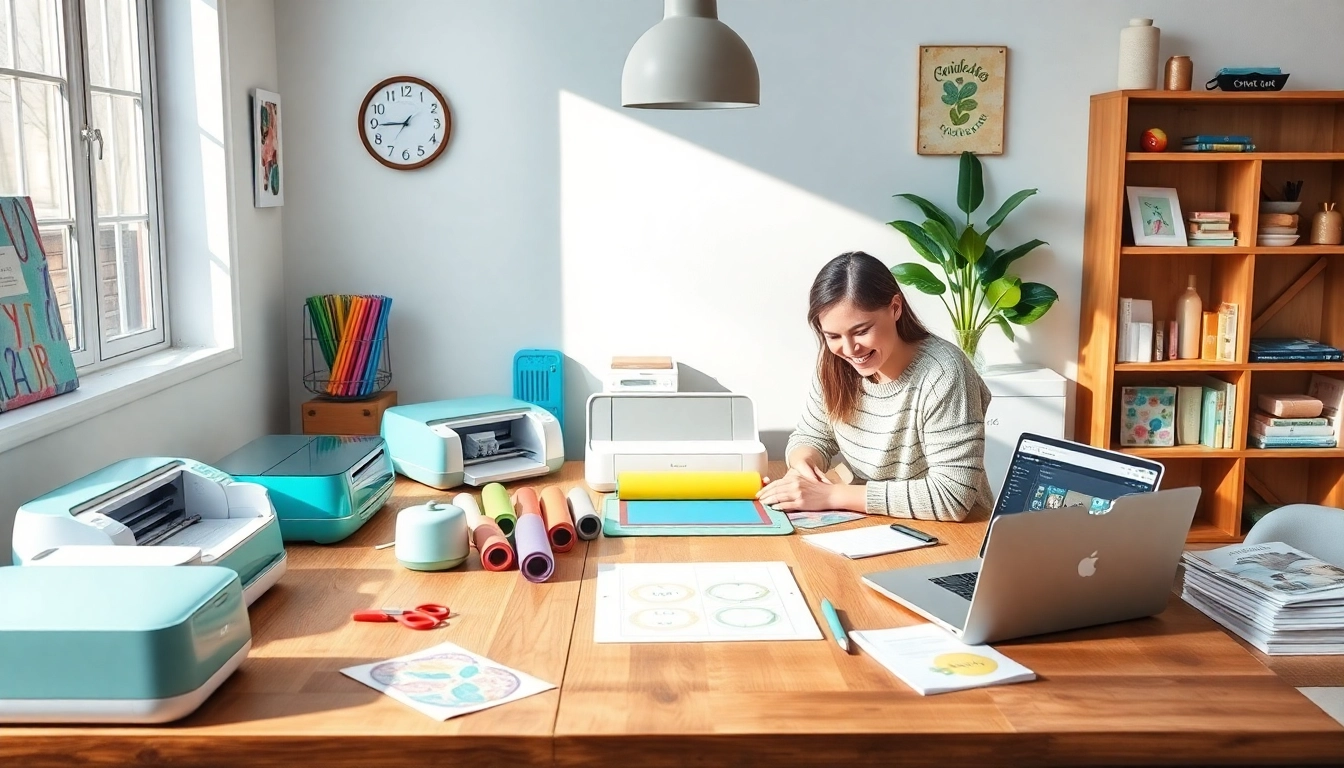
Understanding the Cricut Machine Basics
The Cricut machine has opened up a world of crafting possibilities for enthusiasts and DIY creators alike. Whether you're interested in creating personalized gifts, home décor, or unique scrapbooking items, understanding the basics of Cricut machines is crucial for beginners. This comprehensive guide will provide insights into how these machines work, the different types available, and the essential tools you'll need to get started on your crafting journey. For those just beginning, exploring platforms like Cricut for beginners can offer invaluable resources and support.
1.1 What is a Cricut and How Does it Work?
A Cricut is an electronic cutting machine that utilizes a digital design platform to cut various materials with precision. It uses a small blade, which can be easily replaced, to cut intricate shapes and designs from materials such as paper, vinyl, fabric, and even leather. The machine connects to a computer or mobile device via Bluetooth or USB, allowing users to design their projects using the Cricut Design Space application.
1.2 Types of Cricut Machines for Beginners
Beginners have a variety of Cricut machines to choose from, each suited for different crafting needs. The main types include:
- Cricut Explore Air 2: Ideal for beginners, this machine offers versatility with dual tool holders and can cut over 100 different materials.
- Cricut Maker: This advanced option provides the ability to cut thicker materials and features a rotary blade for fabric and a knife blade for balsa wood.
- Cricut Joy: A compact and portable machine perfect for quick projects and smaller tasks, such as card making and labels.
1.3 Essential Tools and Materials You'll Need
To maximize your Cricut experience, it’s important to gather the right tools and materials. Essential items include:
- Cutting mats: Available in different grip strengths, these mats hold your material in place while cutting.
- Weeding tools: Essential for removing excess material from your design after cutting.
- Transfer tape: Used to apply vinyl designs onto surfaces smoothly.
- Design materials: This includes vinyl, cardstock, paper, iron-on material, and more, depending on your projects.
Getting Started: Your First Cricut Project
Now that you understand the basics, it's time to dive into your first Cricut project. Starting with a simple project will familiarize you with the machine and build your confidence.
2.1 Choosing a Beginner-Friendly Project
Selecting an appropriate project is critical. Ideal beginner projects include:
- Vinyl Stickers: Easy to create and perfect for decorating personal items.
- Greeting Cards: A simple design that allows for personalization while practicing layout skills.
- Iron-On T-Shirts: Great for making custom apparel with minimal materials.
2.2 Step-by-Step Guide to Your First Cut
Follow these steps to execute your first cut:
- Open Cricut Design Space and select your chosen design.
- Prepare your machine by placing the appropriate blade and loading your cutting mat with your material.
- Set your material type in the design software for optimal cutting results.
- Click “Make It” and follow the prompts to cut your design.
- After cutting, use your weeding tools to remove excess material, and apply any transfer tape if necessary.
2.3 Common Mistakes to Avoid as a Beginner
As a beginner, it’s easy to make some common mistakes. Here are some to avoid:
- Poor Material Selection: Ensure you choose the right material for your project type.
- Incorrect Blade Settings: Always double-check that you’ve set the blade for the material you’re cutting.
- Not Using a Cutting Mat: Failing to use a cutting mat can result in misaligned cuts.
Crafting Techniques Every Beginner Should Know
Once you're comfortable with your first project, it’s important to understand key crafting techniques that will enhance your Cricut skills.
3.1 Understanding Different Materials for Cutting
Familiarizing yourself with various materials will expand your project possibilities. Some materials to explore include:
- Adhesive Vinyl: Great for creating stickers and decals.
- Heat Transfer Vinyl: Ideal for apparel projects.
- Cardstock: Commonly used for scrapbooking and card making.
3.2 Basic Weeding and Transfer Techniques
Weeding is the process of removing unwanted material from your design post-cutting. Here are some tips:
- Use a lightbox or bright surface to see your cuts more easily.
- Work slowly and carefully to avoid pulling on your design.
- For intricate designs, use fine-tipped weeding tools for precision.
3.3 Creating Personalized Designs in Cricut Design Space
Cricut Design Space allows for extensive personalization. You can create designs from scratch or modify existing templates. Key features include:
- Adding text and customizing fonts.
- Importing SVG files for unique shapes.
- Adjusting dimensions and layers for complex projects.
Exploring Fun Cricut Projects for Beginners
To keep your crafting journey exciting, try various projects that cater to different interests and occasions.
4.1 Top 10 Easy Cricut Projects to Try
Here are ten beginner-friendly Cricut projects to spark your creativity:
- Custom mugs with vinyl decals.
- Personalized greeting cards for any occasion.
- Labels for organizing your home.
- Simple home décor signs.
- Motivational wall art.
- Unique birthday banners.
- Iron-on designs for tote bags.
- Seasonal decorations for holidays.
- Bookmarks made with cardstock.
- Gift tags for special presents.
4.2 Seasonal Crafts: Projects for Every Occasion
Dive into season-themed crafting with projects like:
- Halloween decorations such as spooky signs and party favors.
- Thanksgiving table settings with personalized name cards.
- Christmas ornaments and gift wrap.
- Valentine’s Day cards and decorations.
4.3 Crafting Gifts: Personalized Ideas Using Cricut
Crafting personalized gifts is a wonderful use of your Cricut. Consider these ideas:
- Custom engraved items using your Cricut Maker.
- Personalized photo albums with decorative covers.
- Handmade journals featuring custom designs.
- Framed artwork incorporating loved ones' names or special dates.
Advanced Tips: Leveling Up Your Cricut Skills
As you gain more experience, consider adopting advanced skills that will enhance your crafting capabilities significantly.
5.1 Troubleshooting Common Cricut Problems
Even seasoned crafters face challenges. Here are common issues and how to tackle them:
- Mat Issues: If your material isn’t sticking, clean your cutting mat or replace it.
- Blade Dullness: Regularly check and replace your blade if cuts aren’t clean.
- Design Space Errors: Restart the application or check for updates if you experience glitches.
5.2 Exploring Advanced Features in Design Space
Maximize your Cricut's capabilities by exploring advanced features like:
- Using multi-layered designs.
- Creating custom patterns with the pattern feature.
- Utilizing the “Attach” feature to keep elements together when cutting.
5.3 Joining Cricut Communities for Ongoing Support
Connecting with other Cricut enthusiasts provides ongoing learning opportunities. Join online communities, forums, or local crafting clubs. These platforms are great for sharing tips, project ideas, and fostering friendships with fellow crafters.