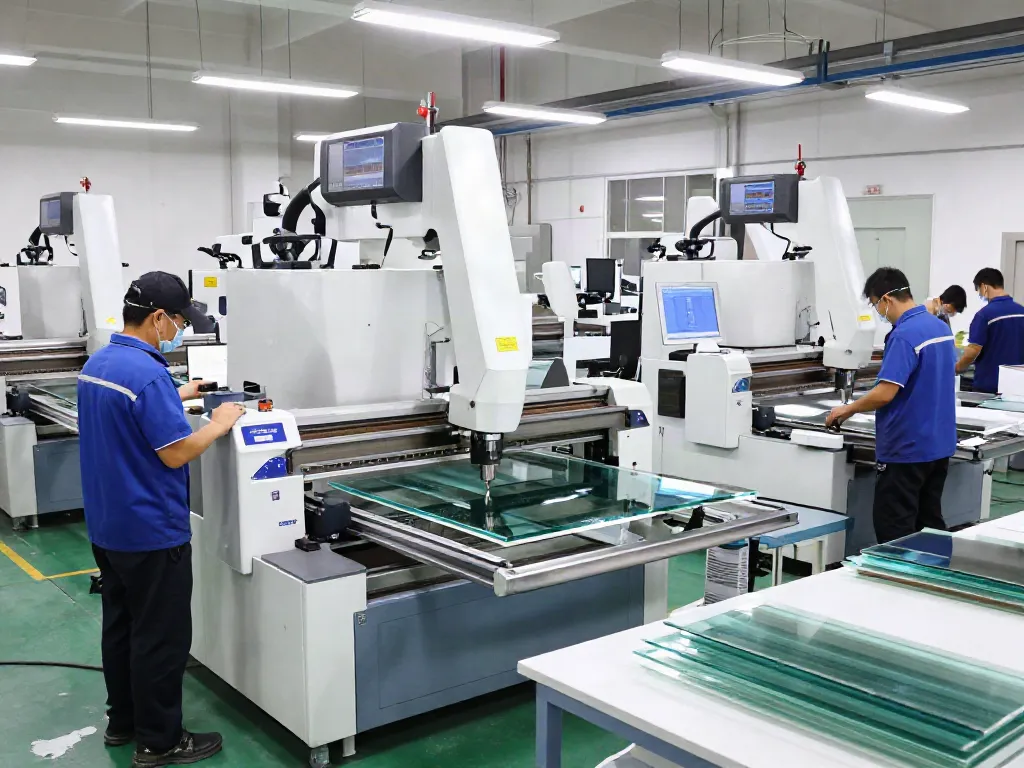
Understanding the Glass Machinery Landscape
In the rapidly evolving world of manufacturing, glass machine suppliers play a crucial role in ensuring the production of high-quality glass products. As industries continue to innovate, the demand for advanced glass processing machinery has surged, leading to the emergence of specialized suppliers who offer a wide range of equipment designed to cater to the specific needs of various sectors. This article delves into the complexities of the glass machinery landscape, highlighting the key players, types of machinery, and the importance of choosing a reliable supplier.
What Are Glass Machine Suppliers?
Glass machine suppliers are companies that manufacture and distribute machinery used in the glass production process. Their offerings typically include a variety of equipment, such as cutting machines, laminating machines, polishing machines, and more. These suppliers not only provide the machines but also offer technical support, maintenance services, and parts, ensuring that their clients can operate their glass processing facilities efficiently.
Key Types of Glass Machinery
There are several key types of glass machinery that are essential for various glass manufacturing processes:
- Insulating Glass Production Line: This machinery is vital for creating energy-efficient insulated glass units for windows and facades.
- Glass Cutting Machines: These machines precisely cut glass sheets into desired shapes and sizes, ensuring minimal waste.
- Glass Edging and Polishing Machines: These are used to smooth and polish the edges of cut glass, enhancing safety and aesthetic appeal.
- Glass Laminating Machines: Utilized for safety glass production, these machines bond multiple glass layers to improve strength and resistance.
- Glass Washing Machines: Essential for cleaning glass surfaces before further processing, ensuring optimal quality of the finished product.
- Glass Drilling Machines: These machines create holes in glass for various applications, from installation purposes to decorative designs.
- Glass Sandblasting Machines: Used for texturing or engraving glass surfaces, adding decorative elements to finished products.
The Importance of Reliable Suppliers
Choosing the right supplier is critical for ensuring that your glass manufacturing operations run smoothly. Reliable suppliers offer not only high-quality machinery but also ongoing support, spare parts, and training for your staff. When exploring options, glass machine suppliers like Eworld Machinery provide comprehensive insights into the types of machines available, ensuring that manufacturers can select equipment best suited for their production needs.
Choosing the Right Glass Machines for Your Needs
With a variety of glass machines available, understanding how to choose the right ones for your specific requirements is essential. The selection process may seem daunting, but considering several factors can help streamline your decision-making.
Factors to Consider When Selecting Machinery
When selecting glass machines, consider the following critical factors:
- Production Capacity: Assess how much glass you plan to produce and choose machines that can handle your production volume without compromising quality.
- Technology and Features: Look for advanced technology that enhances efficiency, such as automation features, energy efficiency, and ease of operation.
- Space Constraints: Ensure that the machinery fits within your facility's layout. Measure the available space to avoid operational bottlenecks.
- Budget: Determine your budget, including not just the initial purchase cost but also maintenance and operating expenses over time.
Evaluating Supplier Quality and Support
Not all suppliers are created equal. To ensure that you are partnering with a reputable glass machine supplier, consider:
- Reputation: Research the supplier's market reputation by reading reviews, testimonials, and case studies from other clients.
- Service Offerings: Check if they provide installation assistance, after-sales support, and availability of spare parts.
- Industry Experience: Suppliers with extensive experience are more likely to understand your needs and provide tailored solutions.
Common Misconceptions About Glass Machines
Several misconceptions can lead to poor decision-making when investing in glass machinery:
- High Cost Equals Quality: Many believe that the highest-priced machines are always the best. However, value is about finding a machine that meets your specific needs without overspending.
- All Machinery Is the Same: Different machines offer unique features and capabilities. Assessing your production requirements is crucial to choose the right fit.
- Neglecting Maintenance: Some manufacturers overlook the importance of regular maintenance, which can lead to increased downtime and repairs.
Best Practices for Glass Machine Operation
To maximize the return on investment in glass machinery, implementing best practices during operation and maintenance is vital.
Maintaining Equipment for Longevity
Regular maintenance is essential for ensuring the longevity of your glass machinery. Here are some maintenance tips:
- Routine Inspections: Conduct regular inspections to identify any potential issues before they become major problems.
- Follow Manufacturer Guidelines: Adhere to the maintenance schedules outlined by the machine manufacturer for optimal performance.
- Train Staff: Ensure that your staff is adequately trained to operate and maintain the machinery, following safety protocols.
Safety Protocols in Glass Manufacturing
Safety should always be a top priority in glass manufacturing environments. Implementing the following protocols can mitigate risks:
- Personal Protective Equipment (PPE): Require staff to wear appropriate PPE, including safety glasses, gloves, and steel-toed boots.
- Machine Safety Features: Ensure that all glass machines have safety features like emergency stop buttons and guards.
- Regular Safety Training: Conduct regular safety drills and training sessions to keep all employees informed about best practices.
Optimizing Production Efficiency
Improving production efficiency can significantly reduce costs and increase output. Consider the following strategies:
- Streamline Workflows: Analyze your workflow to identify bottlenecks and streamline processes for smooth operations.
- Utilize Automation: Incorporate automation where possible to reduce manual labor and improve precision.
- Monitor Performance: Use performance monitoring tools to assess machine efficiency and identify areas for improvement.
Real-World Applications of Glass Machines
Understanding the practical applications of glass machines can provide valuable insights into their importance in various industries.
Case Studies of Successful Implementations
Several companies have successfully integrated advanced glass machinery into their operations:
- XYZ Glassworks: By investing in state-of-the-art insulating glass production lines, XYZ Glassworks increased their output by 30% within the first year.
- ABC Custom Glass: The adoption of automated glass cutting machines allowed ABC Custom Glass to reduce production time by 50% while maintaining high-quality standards.
Industry Trends Impacting Machine Use
The glass manufacturing industry is constantly evolving, influenced by technological advancements and consumer demands. Some current trends include:
- Sustainability: There is a growing demand for sustainable glass products, pushing manufacturers to invest in machinery that supports eco-friendly production methods.
- Customization: Increasing consumer demand for customized glass products requires flexibility in manufacturing processes and machinery.
Emerging Technologies in Glass Machinery
Keeping an eye on emerging technologies can provide a competitive edge. Key advancements include:
- Smart Machinery: The integration of IoT technology allows for real-time monitoring and predictive maintenance of glass machinery.
- Advanced Robotics: Robotics in glass handling and assembly processes can enhance precision and reduce labor costs.
Preparing for the Future of Glass Manufacturing
Looking ahead, manufacturers need to prepare for the evolving glass industry landscape. Awareness of future trends can aid in strategic decision-making.
2026 Trends Every Supplier Should Know
By 2026, several trends are expected to shape the glass manufacturing industry:
- Increased Automation: More manufacturers will adopt automation technologies to enhance efficiency and reduce labor costs.
- 3D Printing: The integration of 3D printing technology in glass production is expected to rise, allowing for greater design flexibility.
Future-Proofing Your Glass Machinery Investment
To ensure that your investment in glass machinery pays off in the long run, consider the following strategies:
- Invest in Versatile Machines: Choose machinery that can be easily adapted for different production needs.
- Stay Informed: Keep abreast of industry developments, technological advancements, and market trends to make informed decisions.
Expert Insights on Industry Evolution
Industry experts suggest that staying agile and adaptable will be key to succeeding in the glass manufacturing market. Leveraging technology while maintaining a focus on quality will be paramount for suppliers and manufacturers alike.