Understanding San Pedro Cactus Powder
San Pedro cactus powder, derived from the Echinopsis pachanoi plant, has gained significant attention among herbal enthusiasts and those interested in ethnobotany. This fascinating cactus is not just an ornamental plant but also possesses a rich history of use in traditional medicine and spiritual practices, particularly in indigenous cultures of South America. When exploring options, San pedro cactus powder offers comprehensive insights into its preparation, uses, and benefits.
What is San Pedro Cactus Powder?
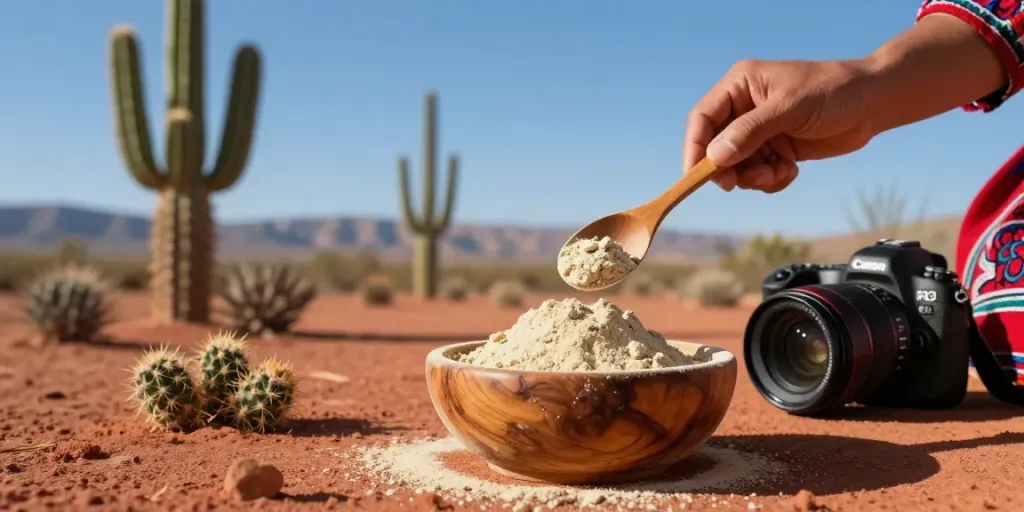
San Pedro cactus powder is made from the dried and ground material of the San Pedro cactus. This particular cactus species is known for its psychoactive properties, primarily due to the alkaloid mescaline it contains. The powder form allows for easier consumption and application, whether in culinary experiments or traditional ceremonial uses. In contrast to its fresh counterparts, powdered San Pedro provides a more consistent dosage for those seeking its benefits.
Uses and Benefits of San Pedro Cactus Powder
The applications of San Pedro cactus powder are diverse, ranging from traditional uses in spiritual ceremonies to modern applications in wellness practices. Some of the key benefits include:
- Psychoactive Experiences: Many users take San Pedro cactus powder for its hallucinogenic effects, which can promote introspection and a sense of connection to nature.
- Cultural Rituals: The powder is often used in traditional rituals, allowing participants to tap into the spiritual significance of the San Pedro cactus.
- Health Benefits: Some research indicates that components of the cactus might aid digestion, reduce anxiety, and promote mental clarity.
Cultural Significance and Historical Context
The San Pedro cactus has been used by indigenous peoples of the Andes for over 3,000 years. Its use in religious ceremonies reflects its cultural importance, often seen as a bridge to spiritual dimensions. Historically, shamans and healers would prepare the cactus in various forms, including teas and powders, to facilitate healing and connection with the spiritual world. The deep-rooted history of the San Pedro cactus enriches its modern applications, linking the past with contemporary practices.
Methods of Preparation
Traditional Techniques for Harvesting San Pedro
The harvesting of San Pedro cacti is a meticulous process. Traditionally, these cacti are harvested in the early morning to ensure the highest alkaloid content. Skilled harvesters often rely on specific rituals to show respect for the plant, which is considered a living entity. After harvesting, the cactus is stripped of its outer skin, and only the inner flesh is used for powder preparation.
Modern Methods of Creating San Pedro Cactus Powder
With advancements in food processing, modern techniques for creating San Pedro cactus powder have emerged. After harvesting, the cactus flesh is typically dehydrated and then finely ground into powder using commercial grinding equipment. This method ensures a consistent texture and potency, making it easier for users to measure and consume.
Best Practices for Ensuring Quality and Potency
To ensure the efficacy of San Pedro cactus powder, several best practices should be observed:
- Source Quality Cacti: Always purchase from reputable suppliers who prioritize sustainable practices in harvesting.
- Storage: Store the powder in a cool, dark place to preserve its potency, ideally in an airtight container.
- Testing: If possible, have the powder tested for potency to guarantee the alkaloid content meets expectations.
Legal Considerations
Legal Status of San Pedro Cactus Powder in Different Regions
The legality of San Pedro cactus powder varies significantly across regions. In some countries, it is legal to possess and use; however, in others, its psychoactive properties make it illegal. Understanding the legal landscape is crucial for users, as it impacts both the ability to obtain and use the powder responsibly.
Understanding Restrictions and Guidelines
In places where San Pedro cactus powder is legal, there are often restrictions in place regarding its sale and distribution. These guidelines may include age restrictions and regulations on how it can be marketed and consumed. Staying informed about these restrictions is essential for anyone looking to use San Pedro responsibly.
Staying Informed: Changes in Legislation for 2026
As legal perspectives on psychoactive substances continue to evolve, it's important to monitor any changes regarding the status of San Pedro cactus and its products. Advocacy for the recognition of its cultural significance and potential therapeutic benefits may influence future legislation. Keeping abreast of these changes can guide users in making informed decisions.
Usage Guidelines
How to Use San Pedro Cactus Powder Safely
For those new to San Pedro cactus powder, understanding how to use it safely is vital. Participants should start with small amounts to gauge their sensitivity to its effects. Additionally, consuming it in a safe environment is essential to manage any psychological effects that may arise.
Recommended Dosages and Consumption Methods
There is no universally accepted dosage for San Pedro cactus powder, as individual responses can vary. However, a common starting point for those looking to experience its psychoactive effects is typically between 1 to 3 grams. It can be consumed in various forms, such as:
- Mixing with water: Creating a tea by dissolving the powder in hot water.
- Capsules: Encapsulating the powder for easier ingestion.
- Incorporating into foods: Adding it to smoothies or baked goods for a subtle inclusion.
Potential Effects and Side Effects
Users of San Pedro cactus powder may experience a range of effects, including altered perception, heightened emotional response, and visual hallucinations. However, it is essential to note that potential side effects can include nausea, dizziness, and anxiety. Understanding these possible reactions can help users prepare and manage their experiences more effectively.
Future Trends and Research
Emerging Research on San Pedro Cactus Powder
Recent studies have begun to explore the therapeutic potential of San Pedro cactus powder beyond its psychoactive effects. Research is investigating its possible applications in mental health treatment, particularly in addressing conditions such as PTSD and depression. As the body of scientific literature grows, it may open up new avenues for its use.
Predicted Trends in Usage and Interest for 2026
As more individuals seek alternative forms of healing, the interest in San Pedro cactus powder is expected to rise. This trend may coincide with a broader acceptance of psychedelics in therapeutic contexts, potentially leading to increased research funding and public interest in traditional uses.
Innovative Products and Market Potential
The growing interest in natural and herbal remedies suggests a potential influx of San Pedro cactus powder products in the market. Innovations could range from functional food products to wellness supplements, catering to both traditional and modern consumers.
What is San Pedro cactus used for?
San Pedro cactus is primarily used for its psychoactive effects during spiritual ceremonies and personal exploration, as well as for its perceived medicinal benefits.
Is San Pedro cactus legal?
The legal status of San Pedro cactus varies by location, with different laws and regulations governing its use and possession.
Are San Pedro flowers psychedelic?
While the flowers of the San Pedro cactus are not typically associated with psychoactive properties, the cactus itself is known for its hallucinogenic effects due to its alkaloid content.
What part of San Pedro is psychoactive?
The psychoactive properties of San Pedro primarily reside in the flesh of the cactus, particularly in the green outer layer, which contains the highest concentration of mescaline.
What are the side effects of San Pedro cactus powder?
Common side effects of San Pedro cactus powder can include nausea, dizziness, anxiety, and visual disturbances, which can vary based on dosage and individual sensitivity.