
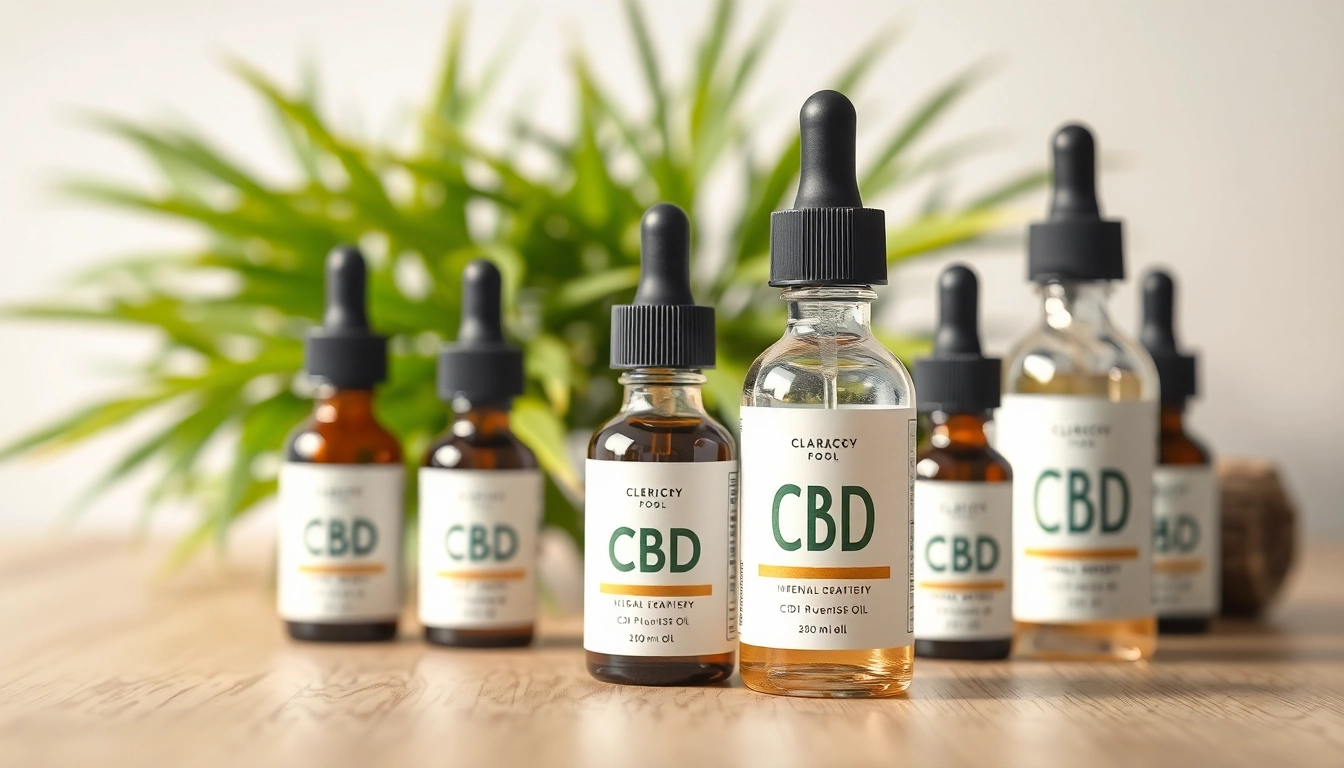
Introduction to CBD: The Basics
Cannabidiol, commonly known as CBD, is a natural compound derived from the hemp plant. It has gained significant attention over the past several years due to its potential therapeutic properties, which range from alleviating anxiety to managing chronic pain. As more people explore the benefits of this cannabinoid, it's essential to understand its origins, applications, and regulatory landscape. This article will delve into the core concepts surrounding CBD, its potential benefits, effective usage methods, side effects, and future research trends.
What is CBD?
CBD is one of over 100 cannabinoids found in the cannabis plant. Unlike tetrahydrocannabinol (THC), the most well-known cannabinoid, CBD does not produce psychoactive effects. Instead, it interacts primarily with the body’s endocannabinoid system, which plays a crucial role in regulating various physiological functions, including mood, pain sensation, and immune response. This non-intoxicating nature of CBD makes it a preferable choice for many looking to experience its potential health benefits without the 'high' commonly associated with cannabis.
History of CBD Use
The use of cannabis for medicinal purposes dates back thousands of years. Ancient civilizations, including those in China and India, utilized cannabis extracts for various health issues, including pain relief and mental health disorders. However, CBD's modern use can be traced to the mid-20th century, when researchers began to isolate and identify its effects. In recent years, CBD has gained traction in Western medicine as evidence of its therapeutic benefits has accumulated, paving the way for a burgeoning industry centered around cannabis-derived products.
Legal Status of CBD in the U.S.
The legal framework surrounding CBD in the United States has evolved significantly, especially with the passage of the Farm Bill in 2018, which legalized hemp cultivation and the sale of hemp-derived CBD products containing less than 0.3% THC. This shift has led to a rapid expansion of the CBD market, although regulations can still vary by state. Consumers are encouraged to stay informed about local laws to ensure compliance when purchasing and using CBD products.
The Potential Benefits of CBD
Research into CBD's potential benefits continues to grow, with several studies indicating promise in various areas of health and wellness. While more extensive clinical trials are needed, preliminary findings suggest that CBD may be an effective option for treating numerous ailments.
CBD for Anxiety Relief
Anxiety disorders affect millions of people worldwide, and traditional treatments often come with undesirable side effects. Emerging studies indicate that CBD may help mitigate anxiety, potentially through its interaction with serotonin receptors in the brain. Some users report feeling calmer and more centered after using CBD products, whether in oil or edible form, suggesting that it could be a viable alternative or complement to established anxiety medications.
CBD and Pain Management
Chronic pain is a condition that many individuals struggle with daily, adversely affecting their quality of life. Research suggests that CBD may have anti-inflammatory properties that could be beneficial in pain management. By interacting with the body’s endocannabinoid system, CBD could help reduce pain signals and improve overall well-being. Its use has been reported in various conditions, such as arthritis and multiple sclerosis, providing relief when other treatments have failed.
CBD for Sleep Disorders
Sleep disorders such as insomnia are becoming increasingly prevalent, leading to a growing interest in alternative treatments. Anecdotal evidence and preliminary research suggest that CBD may help improve sleep quality by addressing factors that disrupt rest, like anxiety and chronic pain. Users often report deeper, more restful sleep after incorporating CBD into their nighttime routine, promoting a natural approach to sleep health.
How to Use CBD Effectively
Understanding how to incorporate CBD into your routine effectively is key to reaping its potential benefits. With various forms and dosages available, making informed choices is essential.
Choosing the Right CBD Product
CBD products come in many forms, including oils, capsules, edibles, topicals, and more. Each form has distinct characteristics, and the best choice depends on individual preferences and health goals. CBD oils and tinctures allow for under-the-tongue administration, providing quick effects, while capsules may be more convenient for those seeking precise dosing. Topical products, such as creams and lotions, are often preferred for localized pain relief.
Dosing Guidelines and Recommendations
Finding the right dosage of CBD can be a trial-and-error process, as factors such as body weight, metabolism, and the severity of symptoms play crucial roles. It’s generally advisable to start with a low dose and gradually increase until the desired effects are achieved. Consulting with a healthcare professional knowledgeable about CBD can provide personalized recommendations based on individual health needs.
Methods of CBD Consumption
Aside from selecting the product type, understanding the various consumption methods can enhance effectiveness. Common methods include:
- Sublingual: Oils and tinctures are placed under the tongue for rapid absorption.
- Ingestion: Edibles and capsules provide a convenient way to consume CBD, though effects may take longer to manifest.
- Inhalation: Vaping CBD offers quick effects but may raise concerns about lung health.
- Topical Application: Creams and balms can be applied directly to the skin for localized relief.
Understanding CBD Side Effects
While CBD is generally well tolerated, it's essential to be aware of potential side effects to ensure safe usage.
Common Side Effects of CBD
Some users have reported mild side effects associated with CBD consumption, which may include:
- Dry mouth
- Drowsiness or fatigue
- Changes in appetite
- Diarrhea
While these side effects are typically mild and temporary, it’s still important to monitor your body’s reaction, especially when trying CBD for the first time.
Who Should Avoid CBD?
While CBD is considered safe for most individuals, certain populations may want to exercise caution. Pregnant or breastfeeding women, people with specific medical conditions, and those taking prescribed medications should consult a healthcare professional before starting CBD. Additionally, individuals with a history of substance abuse may wish to refrain from using CBD until they fully understand its effects on their body.
Safe Usage Practices
To maximize the benefits while minimizing risks, consider these best practices:
- Start with a low dose and gradually increase as needed.
- Choose high-quality, lab-tested products from reputable sources.
- Consult a healthcare professional for personalized recommendations.
- Be mindful of local laws governing CBD use.
The Future of CBD Research and Trends
As interest in CBD continues to grow, ongoing research and market trends are expected to shape the future of this compound in health and wellness.
Emerging Studies on CBD
Continued research into CBD's therapeutic efficacy is crucial for understanding its potential applications. Studies are exploring its effects on various conditions, including epilepsy, PTSD, and neurodegenerative diseases. As more clinical trials are conducted, greater awareness and understanding of CBD's benefits and limitations will emerge, aiding consumers and healthcare professionals alike.
Market Trends in CBD Health Products
The CBD market is expanding rapidly, with new products constantly entering the scene. From infused beverages to skincare lines, the diversity of CBD products reflects consumer demand for innovative solutions. Brands are focusing on transparency, quality assurance, and sustainable sourcing to distinguish themselves in a crowded market, increasing consumer confidence.
The Role of CBD in Holistic Wellness
As people increasingly seek natural alternatives for health and wellness, CBD is finding its place within a holistic approach to well-being. Many practitioners are integrating CBD into wellness routines alongside other natural therapies, highlighting its potential to complement a balanced lifestyle. Education about the benefits and safe practices of CBD will be crucial for individuals looking to incorporate this cannabinoid into their health regimen.