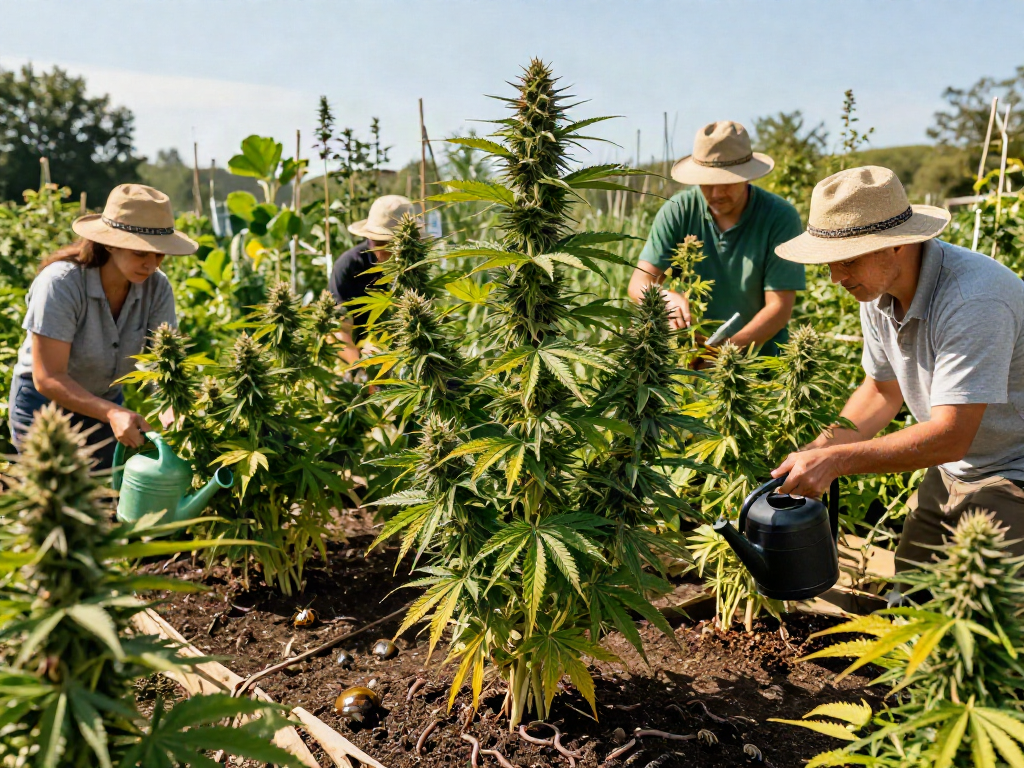
Understanding Cannabis Strains and Their Effects
Cannabis is more than just a recreational substance; it has emerged as a pivotal player in the wellness industry, providing numerous benefits that cater to various health needs. Understanding the intricacies of Cannabis Strain varieties is essential for anyone looking to explore its potential therapeutic advantages. Different strains possess unique combinations of cannabinoids and terpenes, which influence their effects. Whether you're seeking relief from stress, pain management, or enhanced relaxation, knowing more about cannabis strains can help you make informed choices for a better quality of life.
What Are Cannabis Strains?
Cannabis strains are distinct varieties of the Cannabis sativa plant, each offering unique characteristics and effects based on their chemical composition. The primary components that differentiate these strains are the cannabinoids (such as THC and CBD) and terpenes, which impact both the physical effects and potential therapeutic benefits. Strains can vary widely, bringing different flavors, aromas, and effects to consumers. Understanding these differences allows consumers to select strains that align with their health goals and lifestyle preferences.
Types: Indica, Sativa, and Hybrid
Cannabis strains can be broadly categorized into three types: indica, sativa, and hybrid. Each type has distinct characteristics and effects:
- Indica: Typically known for their relaxing effects, indica strains are often used to alleviate anxiety, pain, and insomnia. They tend to produce a calming effect, making them ideal for nighttime use.
- Sativa: Known for their energizing and uplifting effects, sativas are often chosen to encourage creativity, focus, and social interaction. They are frequently used in the daytime to enhance mood and alertness.
- Hybrid: Hybrid strains are a combination of indica and sativa, offering a balance of effects. Depending on the specific strain, hybrids can lean toward the calming effects of indicas or the energizing qualities of sativas, thereby catering to a diverse range of user preferences.
Common Effects and Benefits of Cannabis Strains
Each cannabis strain may provide various effects, influenced by its unique chemical makeup. Some of the most common effects include:
- Relaxation: Many strains, particularly indicas, are known for their calming effects, aiding those who struggle with stress or anxiety.
- Pain Relief: Cannabinoids in cannabis, especially CBD, have been studied for their potential analgesic properties, making various strains suitable for managing chronic pain.
- Improved Sleep Quality: Certain strains may help users achieve better sleep, addressing issues like insomnia by promoting relaxation and drowsiness.
- Enhanced Focus: Sativa strains can boost productivity and enhance focus, making them a popular choice for creative endeavors.
The Role of Terpenes in Cannabis Strains
What Are Terpenes and Their Benefits?
Terpenes are aromatic compounds found in many plants, including cannabis. They are responsible for the unique fragrances and flavors of different strains. Beyond their sensory contributions, terpenes may also have therapeutic effects, enhancing the overall experience through the "entourage effect," where various cannabinoids and terpenes work synergistically. Some common terpenes include:
- Myrcene: Often associated with sedative effects, it is commonly found in indica strains.
- Limonene: Known for its citrus aroma, it may have mood-enhancing properties.
- Pinene: This terpene is thought to improve focus and may also have anti-inflammatory properties.
Popular Terpenes to Look for in Cannabis Strains
When selecting a cannabis strain, considering its terpene profile can help tailor your experience. Here are some popular terpenes to be aware of:
- Caryophyllene: Spicy and peppery, this terpene may offer anti-inflammatory benefits.
- Linool: Flowery and herbal, it is known for its calming effects, often found in lavender.
- Humulene: Earthy and woody, it may contribute to appetite suppression and anti-inflammatory effects.
The Impact of Terpenes on Experience and Effects
The terpene profile of a strain can significantly influence the user's experience. For instance, a strain high in limonene may be uplifting and energizing, making it more suitable for daytime use, whereas a strain rich in myrcene may promote relaxation, ideal for evening use. Understanding terpenes empowers consumers to choose strains that better meet their wellness needs.
Choosing the Right Cannabis Strain for You
Determining Your Desired Effects
Before selecting a cannabis strain, it's essential to consider what you aim to achieve. Do you need relief from anxiety, chronic pain, or a boost in focus? By defining your goals, you can narrow down your choices to strains known for those specific effects. Additionally, researching individual strain reviews can provide insights into how others have experienced particular strains.
Matching Strains to Individual Needs and Preferences
Every individual's response to cannabis can vary due to factors like body chemistry, tolerance levels, and personal preferences. It may be helpful to keep a journal of your experiences with different strains, noting the effects and any side effects to help you better tailor your selections in the future.
Consulting Professionals or Reputable Sources
For those new to cannabis or looking for guidance, consulting with knowledgeable professionals, such as budtenders or healthcare providers experienced in cannabis, can aid in making informed choices. Additionally, reputable websites and resources dedicated to cannabis information can support better understanding.
Safe Usage and Dosage Guidelines
Understanding Dosage and Administration Methods
When using cannabis, understanding the various methods of administration is key. Options include smoking, vaporizing, edibles, oils, and tinctures, each offering different onset times and effects. For instance:
- Inhalation: Provides rapid effects, typically within minutes.
- Edibles: Offer longer-lasting effects but can take 30 minutes to 2 hours to kick in.
- Tinctures: Can be taken sublingually for quicker absorption compared to edibles.
What to Expect When Trying a New Strain
When trying a new strain, start with a low dose to assess your tolerance. Be aware that effects can vary widely based on several factors, including the strain's THC and CBD content, your individual physiology, and whether you've consumed cannabis before.
Signs of Overconsumption and Safety Tips
Overconsumption of cannabis can lead to negative experiences, such as anxiety, paranoia, or physical discomfort. Signs of overconsumption may include dizziness, excessive drowsiness, or increased heart rate. If you experience these, it’s advisable to seek a calming environment and stay hydrated. Starting with low dosages and gradually increasing is the best approach to avoid overconsumption.
Quality Assurance and Compliance in Cannabis Products
Reading Certificates of Analysis (COA)
To ensure product safety and potency, it's vital to choose cannabis products that come with a Certificate of Analysis (COA). This document, provided by third-party labs, verifies the cannabinoid content and confirms the absence of harmful contaminants, such as heavy metals and pesticides. Understanding how to read COAs can empower consumers to select safe and effective products.
Third-Party Testing and Its Importance
Third-party testing is essential for ensuring the quality and safety of cannabis products. Look for products that have undergone rigorous testing for potency, contaminants, and overall safety. This helps consumers trust that they are using high-quality, reliable products.
The Legal Landscape of Cannabis Strains in 2026
In 2026, the legal landscape for cannabis continues to evolve. Following the 2018 Farm Bill, which legalized hemp-derived CBD with less than 0.3% THC, many states have adopted their regulations regarding cannabis use. It’s crucial to stay informed on state-specific laws, as they can vary significantly and impact what products are available and legal for use.
What are the benefits of cannabis strains?
Cannabis strains offer a wide range of benefits, including pain relief, anxiety reduction, and improved sleep quality, depending on their cannabinoid and terpene profiles. By choosing the right strain, users can tailor their experience to better meet their wellness needs.
How do I know which cannabis strain is right for me?
Choosing the right cannabis strain involves understanding your personal health needs, preferred effects, and tolerance levels. Consulting with knowledgeable professionals and doing thorough research on strain profiles can help guide your selections.
What are the common types of cannabis strains?
The most common types of cannabis strains are indicas, sativas, and hybrids, with each type offering unique effects and benefits suited for various occasions and individual needs.
How do terpenes affect cannabis strain effects?
Terpenes play a significant role in shaping the overall experience of cannabis, including its effects, flavors, and aromas. Different terpenes can modify how cannabinoids interact with the body and influence whether a strain is relaxing or energizing.
What safety precautions should I take with cannabis strains?
When using cannabis, it is essential to start with low dosages, consult with healthcare professionals if needed, and be aware of potential side effects and interactions with medications. Additionally, purchasing from reputable brands that provide third-party testing can enhance safety.