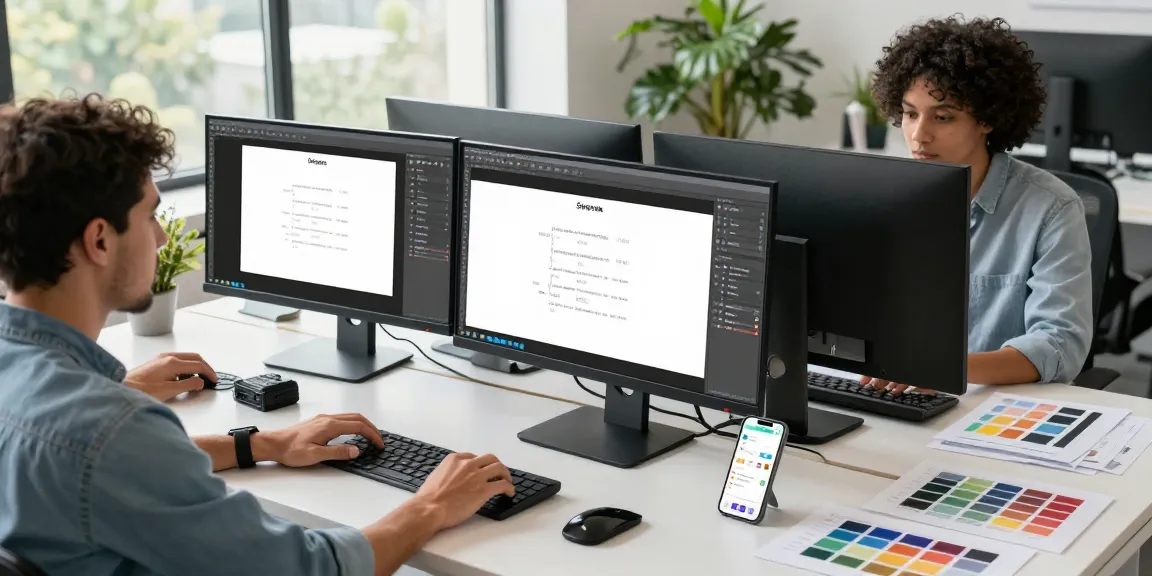

Understanding the Mixboard Concept
The concept of a mixboard integrates various creative processes into one dynamic platform, enabling teams to visualize and iterate upon their ideas seamlessly. This innovative tool leverages generative AI and collaborative techniques to enhance brainstorming sessions and project planning. By providing a space for diverse input, a mixboard fosters creativity that transcends traditional project management methods and drives effective teamwork, making it an indispensable asset for creative professionals. When exploring options, mixboard solutions can offer comprehensive insights and functionalities tailored to the needs of modern teams.
What is a Mixboard and How Does It Work?
A mixboard is a digital workspace designed to facilitate the visualization and development of ideas. Unlike conventional brainstorming tools, a mixboard allows users to create a hybrid of text, images, and multimedia elements all in one place. This platform operates on the principles of collaboration and real-time editing, enabling team members to contribute simultaneously regardless of their geographical locations.
Users can start with a blank canvas or utilize templates to kickstart their project. By dragging and dropping various content types, teams can create mood boards, flowcharts, and storyboards that reflect their collective vision. The platform’s intuitive interface ensures that users can navigate effortlessly through complex ideas, simplifying the process of conceptualization and planning.
Key Features of the Mixboard
- Real-Time Collaboration: Multiple users can work on the same project simultaneously, optimizing teamwork across regions and time zones.
- Dynamic Templates: Pre-designed templates help teams begin projects quickly, allowing for customization as ideas develop.
- Generative AI Integration: AI tools assist users in generating content and ideas, enhancing creativity and efficiency.
- Visual Enhancements: Users can incorporate images, videos, and other multimedia elements to enrich presentations and concepts.
- Structured Organization: Ideas can be organized spatially, making complex information easy to manage and understand.
Benefits of Using a Mixboard for Collaboration
The utilization of a mixboard streamlines the creative process significantly. Firstly, it minimizes the friction often experienced in traditional brainstorming sessions where ideas can become fragmented. A mixboard consolidates efforts into a unified visual spectrum, enabling teams to see the full scope of their ideas in one glance.
Moreover, the ability to work collaboratively boosts creativity levels, as team members can inspire one another, leading to innovative solutions that might not have emerged in isolation. With features that allow immediate feedback and editing, a mixboard ensures that everyone’s voice is heard and integrated into the workflow.
Leveraging Mixboards for Design and Ideation
Utilizing Mixboards for Moodboard Creation
Creating moodboards is among the most effective uses of a mixboard. Teams can gather inspirations from various sources—such as color palettes, imagery, and typography—and arrange them visually to capture the essence of a project. This visual alignment helps everyone understand the thematic direction and desired aesthetic, creating a shared reference point for further development.
Moreover, moodboards created within a mixboard can be easily modified as new ideas arise or as the project evolves, making them a living document that grows alongside the creative process.
Streamlining Design Processes with a Mixboard
Beyond moodboards, a mixboard can streamline the entire design process. Designers can use the platform to map out user flows, annotate design elements, and gather feedback directly on the canvas. This visual approach helps clarify design intentions and ensures all team members are on the same page.
In addition, the integration of various media types—like video, images, and sketches—allows for a richer exploration of ideas that facilitates deeper understanding and collaboration among team members.
Best Practices for Visual Ideation on Mixboards
- Start with Clear Objectives: Define what you want to achieve with your mixboard session before diving in.
- Encourage Open Contribution: Allow all team members to add their ideas, fostering a culture of creativity and inclusiveness.
- Use Visual Cues Effectively: Employ colors and symbols to organize ideas visually and make connections clearer.
- Iterate and Refine: Regularly revisit the mixboard to refine ideas based on feedback and new insights.
Real-Time Collaboration with Mixboards
How Mixboards Facilitate Remote Teamwork
In today’s global economy, remote teamwork is a reality that demands tools capable of facilitating effective collaboration. Mixboards inherently support this by allowing teams to interact in real-time, regardless of their physical locations. Users can share their screens and discuss changes instantaneously, which minimizes the time spent on revisions and enhances productivity.
This fluid communication promotes a more dynamic and engaging work environment where creative inputs converge harmoniously, simulating the spontaneous brainstorming sessions that often occur in physical settings.
Integrating Feedback in Real-Time with Mixboards
One of the most significant advantages of using a mixboard is the ease of integrating feedback. As team members collaborate, they can suggest edits or ask questions directly on the board, which keeps discussions focused and productive. This immediate feedback loop allows for quicker decision-making and reduces the disparities that can arise during lengthy email threads or review cycles.
Utilizing comment features and reaction tools can further enhance interaction, making it not only a tool for creation but also a hub for dialogue.
Maintaining Creativity in Distributed Teams Using Mixboards
Maintaining creativity in distributed teams can be challenging, but mixboards serve as an antidote to potential stagnation. By repeatedly bringing everyone back to a shared visual platform, teams can keep creativity thriving. The ability to visualize connections among varied ideas allows team members to spark new thoughts and contribute constructively.
Additionally, the element of gamification—like introducing challenges or themes for each session—can keep motivation high, making the creative process enjoyable and engaging.
Case Studies: Mixboard Success Stories
Innovative Projects Powered by Mixboards
Numerous organizations have harnessed the power of mixboards to drive their creative initiatives forward. For instance, a leading design agency utilized a mixboard to create a comprehensive branding campaign for a major client. By integrating client feedback in real-time, the agency was able to adjust their concepts on the fly, resulting in a campaign that resonated profoundly with the target audience.
This successful case emphasizes the agility that mixboards offer, allowing teams to pivot their strategies quickly and effectively.
Insights from Leading Brands Using Mixboards
Several reputable brands are now adopting mixboards as part of their creative workflows. For example, a global marketing firm implemented a mixboard to enhance collaboration among its diverse teams. The results included improved idea generation rates and a marked decrease in project turnaround times, showcasing the efficiency of collaborative technology.
By analyzing the strategies of these leading brands, other organizations can glean valuable insights into how to structure their own mixboard sessions for optimal performance.
Lessons Learned from Mixboard Implementations
While many success stories highlight the potential of mixboards, some lessons can be learned from both successes and setbacks. For instance, it’s crucial to ensure that all team members are adequately trained to use the platform effectively. A lack of familiarity with the tool can lead to resistance or disengagement, stalling the creative process.
Additionally, setting clear guidelines on how to use the mixboard optimally can prevent confusion and ensure that discussions remain productive.
The Future of Mixboards in Creative Workflows
Predicted Trends for Mixboards in 2026 and Beyond
As we look toward the future, the role of mixboards in creative workflows is poised to evolve further. Trends indicate an increase in AI-powered features that will enhance user experience and provide deeper insights into project dynamics. For instance, predictive analytics might help teams anticipate creative bottlenecks, allowing for proactive management of workflow challenges.
Moreover, the integration of augmented reality (AR) capabilities could allow teams to visualize their ideas in 3D, providing a more immersive way to brainstorm and iterate.
Emerging Features and Technologies
Future developments are likely to include advanced collaboration tools that leverage machine learning to suggest improvements or alternative directions based on user behavior. This innovative technology would not only accelerate the creative process but also guide teams toward more innovative outcomes.
As the landscape of digital tools continues to grow, mixboards will likely adapt to incorporate multi-modal interactions, including voice commands and gesture controls, further enhancing usability.
The Impact of Mixboards on Creative Industries
The proliferation of mixboards is actively reshaping creative industries by fostering a culture of real-time collaboration and fluid ideation. With their capacity to facilitate collective creativity, they empower teams to experiment with more innovative approaches, leading to dynamic and successful outcomes.
As organizations continue to recognize the importance of collaboration in driving creativity, the mixboard will undoubtedly emerge as an essential element of the modern creative toolkit.
What industries can benefit from using a mixboard?
Mixboards are versatile tools that can benefit a wide range of industries, including marketing, design, education, and product development. Any sector that values creative brainstorming and collaborative project management can leverage a mixboard for enhanced outcomes.
How can mixboards improve productivity in creative teams?
By streamlining collaboration and visualizing ideas, mixboards reduce the time spent on revisions and ensure that creative discussions remain focused and productive. This efficiency can lead to faster turnaround times and increase overall team morale.
What are the best practices for using a mixboard?
To maximize the effectiveness of a mixboard, teams should establish clear objectives, encourage open contributions, and routinely revisit and refine their ideas based on feedback. Utilizing visual cues effectively can further enhance communication clarity.
Are there any limitations to using a mixboard?
While mixboards offer numerous advantages, there can be limitations, such as the learning curve associated with new technology or challenges in engaging all team members equally. It’s essential to provide adequate training and foster an inclusive atmosphere to overcome these hurdles.
How does a mixboard differ from traditional brainstorming methods?
A mixboard represents a significant evolution from traditional brainstorming methods by providing a visual, interactive platform that allows for real-time collaboration. Unlike conventional tools, mixboards eliminate the chaos of fragmented ideas, creating a structured and cohesive workflow that enhances creativity and productivity.